How High Temp Silicone Supports Extreme Heat Resistant Industrial Applications

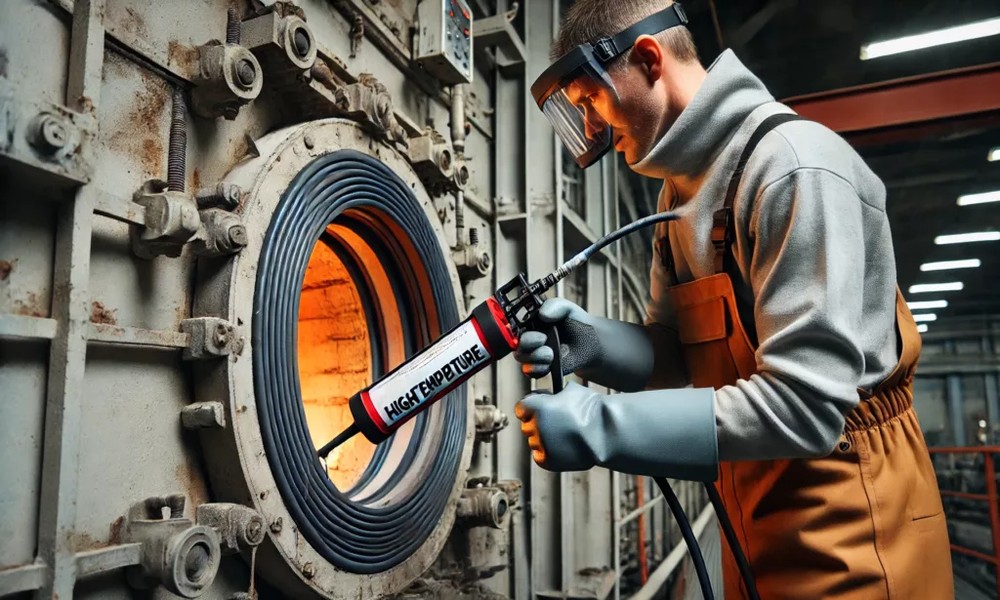
Industrial machinery faces relentless heat during production cycles. Material failure creates shutdowns, repair expenses, and operational delays. Thermal exposure damages ordinary elastomers, so manufacturers prefer silicone compounds engineered for stability. From aerospace insulation to automotive sealing systems, High Temp Silicone handles severe temperatures without losing flexibility, strength, or protective performance under pressure.
Thermal Stability Improves Equipment Reliability
Extreme heat weakens standard rubber inside industrial environments. Cracks appear under constant compression and friction exposure. Silicone compounds resist those failures through stable molecular construction. During furnace operations, components retain elasticity without surface deterioration.
Factories benefit through fewer replacements and lower servicing interruptions. Metal processing facilities value durable sealing materials. Without heat-resistant compounds, production equipment experiences leakage and pressure inconsistency.
Could Standard Rubber Deliver Similar Performance?
At first glance, ordinary rubber appears attractive for industrial operations. Initial pricing seems lower during procurement. Yet heat exposure hardens conventional elastomers beyond usable conditions.
By contrast, silicone compounds maintain durability during severe thermal cycling. Automotive turbocharger hoses show this difference during engine operation. Standard hoses deteriorate, whereas silicone versions retain consistent flexibility for longer periods.
Heat Resistance Benefits Modern Manufacturing Lines
Manufacturing environments require materials that survive fluctuating thermal conditions. Conveyor assemblies, industrial ovens, and curing chambers produce substantial heat. Production interruptions reduce profitability, so durable materials remain valuable investments.
In automated assembly systems, High Temp Silicone protects electrical wiring. Electrical insulation failure creates safety hazards across sensitive industrial environments. Silicone coverings prevent heat transfer while allowing flexible cable movement near rotating equipment.
Several practical advantages influence purchasing decisions:
- Longer operational lifespan
- Lower replacement frequency
- Better sealing integrity
- Reduced maintenance scheduling issues
- Enhanced operational safety
Protective Features Matter Across Specialized Industries
Different industries require specific thermal protection capabilities from engineered materials. Aerospace manufacturers prioritize lightweight insulation for electrical assemblies and fuel systems. Electronics facilities focus on temperature control around compact circuit structures.
Important silicone performance characteristics include:
- Stable compression resistance
- Strong moisture protection
- Reliable ultraviolet tolerance
Food-processing facilities also depend on silicone-lined sealing components. Those installations encounter steam exposure alongside elevated sanitation temperatures. Reliable sealing prevents contamination while maintaining equipment efficiency throughout production schedules.
Long-Lasting Heat Protection Enhances Industrial Efficiency
Industrial operators prioritize reliability when equipment faces constant thermal stress. Silicone materials answer those challenges through flexibility, insulation strength, and extended operational lifespan. Although initial costs exceed standard rubber alternatives, maintenance savings often justify the investment.
Across manufacturing sectors, thermal stability affects productivity and workplace safety. Reliable sealing materials prevent shutdowns while protecting sensitive machinery. Silicone remains essential in modern high-temperature industrial environments.